
Choose the Amethyst Lizard Carving if you want a reptile subject with lavender and purple tones and natural translucency. Choose the Gold Sheen Obsidian Crocodile Carving if you prefer a detailed reptile design with a deep black surface and subtle golden sheen. Both offer a clear animal theme for a decorative collection, but their supplied descriptions point toward different visual results.
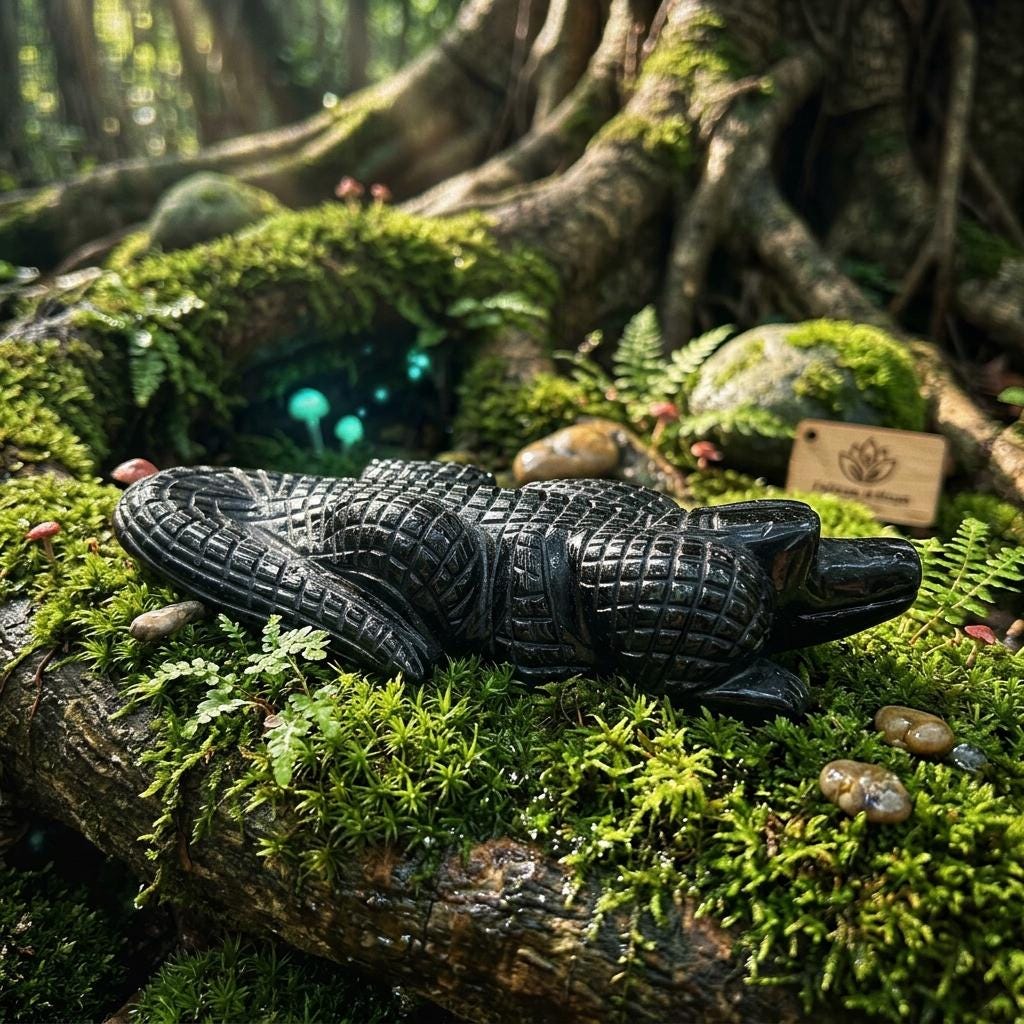
This HighlandCrystal buying guide focuses on those two choices. Start with the reptile you most enjoy, then consider how its described surface will fit your display. That order keeps the purchase tied to something you want to look at every day, rather than a material name alone.
Compare the two reptile carvings
| Buying consideration | Amethyst lizard | Gold sheen obsidian crocodile |
|---|---|---|
| Subject | Lizard figurine | Detailed crocodile design |
| Described appearance | Soft lavender and purple tones, natural translucency, mineral markings, and internal inclusions | Deep black surface, subtle golden sheen, and natural stone patterns |
| Finishing details | Machine-assisted shaping followed by hand finishing and polishing | Hand-finished and polished |
| Decorative direction | Reptile and nature-themed home decor | Gothic home decor, office, shelf, or crystal collection |
| Listed options | Number: 1, Number: 2, Number: random | Default |
When the amethyst lizard makes sense
The Amethyst Lizard Carving is a straightforward choice for someone whose interest begins with lizards. Its description pairs the animal subject with soft lavender and purple tones, giving you a specific visual direction without requiring a broader room theme.
Look at whether you enjoy variation within the stone itself. The listing describes natural translucency, mineral markings, and internal inclusions, so the appeal includes details within the material as well as the carved animal. Choose this option if those features are part of what you want from a decorative figurine.
For a display idea, consider placing it among objects that already express an interest in reptiles or nature. Leave enough visual space around the carving to make its subject easy to appreciate. This is a styling suggestion; the supplied description does not establish its dimensions or how it will fit a particular shelf.
The listing also says its photographs include indoor and outdoor lighting. Treat the described lavender and purple palette as a guide, while allowing for differences in color and translucency between pieces and viewing conditions.
When the obsidian crocodile makes sense
The Gold Sheen Obsidian Crocodile Carving suits a buyer who wants the crocodile subject and a darker surface. Its description specifically identifies a detailed reptile design, a polished deep black appearance, and subtle golden sheen.
Pay attention to the word subtle when deciding whether that finish matches your expectations. The supplied wording supports a black surface with a golden effect, without promising an evenly gold appearance. If the dark material is already appealing to you, the described sheen adds another reason to consider it.
The crocodile is explicitly presented for an office, shelf, home decor, or crystal collection, with gothic styling named in the listing. It is therefore a useful candidate when your existing display already favors that aesthetic. You can also let the reptile subject stand on its own, without building an entire themed arrangement around it.
Its natural patterns, color, inclusions, and texture may vary. Make your decision around the overall crocodile design and described finish, leaving room for those individual differences.
Read the options before making your choice
The lizard lists two numbered options and a random option. Those labels alone do not explain differences in appearance between the numbered choices. Avoid assigning a particular shade, pattern, or carving detail to either number based only on its label.
The crocodile has a single Default option. That makes the listed option structure simpler, but it does not remove the natural variation described for the stone. For either product, separate what the description establishes from what an option name actually tells you.
A practical final decision
- Choose the animal first. If your interest is specifically lizards or crocodiles, let that preference lead.
- Choose the surface you want to see. Compare lavender-purple translucency and inclusions with deep black polish and subtle golden sheen.
- Consider the setting. Think about whether your display emphasizes nature subjects, reptile figures, or gothic decor.
- Accept natural variation. Both descriptions allow for differences in the stone’s appearance.
If you like both subjects equally, use the finish as your deciding factor: the amethyst lizard for its described translucent purple character, or the obsidian crocodile for its dark polished appearance. Either choice should begin with a design and surface you enjoy on their own.